


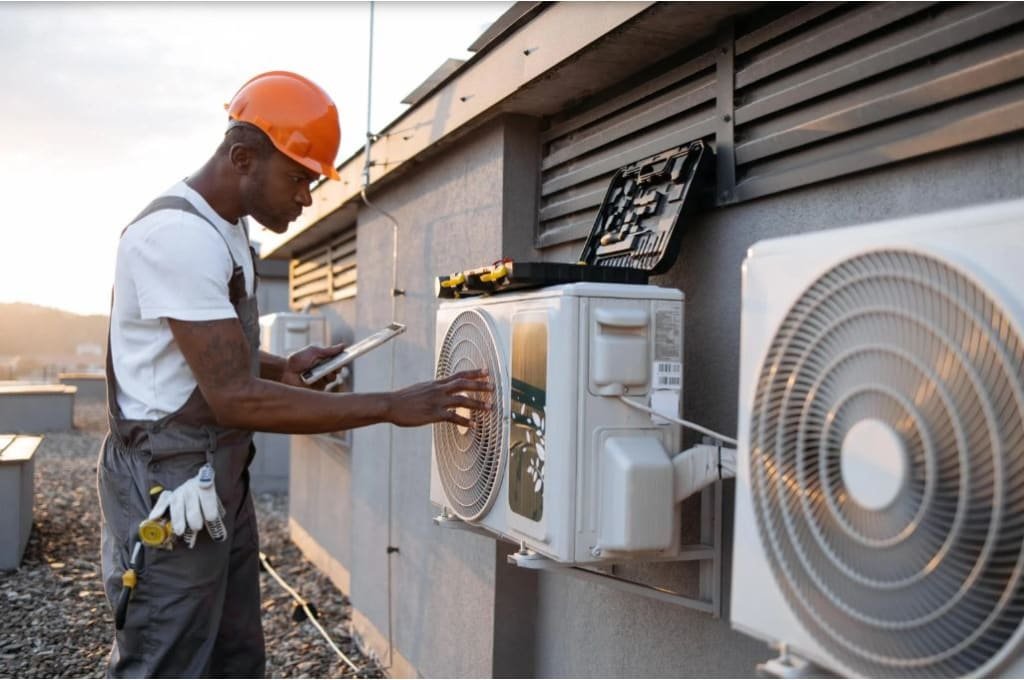
A heating or cooling service appointment can feel uncertain when homeowners do not know what happens after a technician arrives. The equipment may be making an unusual sound, producing inconsistent temperatures, or simply failing to operate normally. Understanding the service process makes it easier to communicate concerns and follow the reasoning behind recommended work.
A professional visit involves more than looking at the component where a problem seems most obvious. Heating and cooling equipment operates as a connected system, so symptoms can have several possible causes. An HVAC Contractor typically needs useful background information, physical observations, and system testing before reaching a meaningful conclusion about the problem.
Knowing the basic stages also helps homeowners prepare without attempting technical work themselves. Climate Systems Air Conditioning & Heating provides heating and cooling services where diagnosis, communication, and verification are important parts of the appointment. Homeowners who understand these stages can ask better questions and develop clearer expectations about the service they receive.
Useful Information Starts the Diagnostic Process
The first stage often begins with a conversation about what the homeowner has noticed. Details about unusual sounds, temperature changes, odors, operating patterns, or recent performance can provide useful direction before equipment is examined.
Timing can be particularly informative. A problem that occurs only during startup may suggest a different investigation from one that develops after extended operation. Homeowners should mention whether the issue happens constantly, occasionally, or under particular weather conditions.
Recent changes around the home may also provide context. Thermostat adjustments, renovations, filter changes, previous service, or extended periods when equipment was unused can be worth mentioning. Accurate observations are more valuable than trying to diagnose the cause independently.
The Thermostat Provides an Important Starting Point
The thermostat communicates heating and cooling demands to the system. Because it influences equipment operation, technicians may consider its settings and behavior while investigating comfort complaints or equipment that does not respond as expected.
A thermostat problem can sometimes resemble a larger equipment issue. Incorrect settings, communication concerns, or other control-related conditions may affect how the system operates. Checking this part of the system helps avoid assumptions about more complicated components.
Homeowners can prepare by knowing what settings they normally use and whether those settings recently changed. They should also mention unusual thermostat behavior, such as an unexpected display change or indoor temperatures that differ noticeably from the selected setting.
Visual Inspection Helps Identify Observable Conditions
Before extensive testing, visible system conditions can provide useful information. An HVAC contractor North Pittsburgh may examine accessible components for signs of wear, debris, moisture, damage, loose connections, or other irregularities related to the reported problem.
Equipment Condition Provides Context
Age and general condition can influence how individual symptoms are interpreted. A recently installed system with one isolated concern presents a different situation from older equipment with a history of repeated service needs.
Surrounding Areas Can Also Matter
Heating and cooling equipment does not operate in isolation from its environment. Restricted access, accumulated debris, blocked airflow areas, or visible moisture around equipment may deserve attention during an evaluation.
Climate Systems Air Conditioning & Heating can use these observations alongside testing rather than treating appearance alone as a diagnosis. Visible clues help guide the investigation, but further evaluation may still be necessary to determine why the condition developed.
Related: What Happens During A Roof Replacement And How Homeowners Can Prepare For The Project
Airflow Is Considered During Comfort Complaints
Many heating and cooling concerns are experienced as temperature problems inside individual rooms. Homeowners may notice weak airflow, inconsistent temperatures, or equipment that seems to operate for long periods without producing expected comfort.
Airflow involves several parts of the system. Filters, return pathways, supply registers, blower operation, and other components can influence how conditioned air travels through a home. A restriction or operational problem in one area may affect comfort elsewhere.
Homeowners can help by identifying which rooms feel different and whether the problem occurs during heating, cooling, or both. This information gives the technician a more specific pattern to investigate instead of relying on a general statement that the house feels uncomfortable.
Diagnostic Testing Moves Beyond Visible Symptoms
Not every problem can be identified through observation alone. Testing allows a technician to compare actual system behavior with expected operation and determine whether particular components require additional attention.
The exact diagnostic process depends on the equipment and reported concern. Electrical components, controls, operating temperatures, system pressures, or other relevant conditions may be evaluated when appropriate. Testing should follow the problem rather than becoming an identical routine for every service call.
This stage is where professional knowledge becomes particularly important. Heating and cooling systems contain electrical, mechanical, and other specialized components that homeowners should not attempt to test without appropriate training and equipment.
Findings Should Be Explained Before Work Proceeds
A diagnosis becomes more useful when the homeowner understands what was found. Technical terminology may be necessary in some situations, but the practical explanation should connect the identified condition with the symptom that prompted the appointment.
For example, homeowners should understand whether the concern involves one component, several related components, or a broader system condition. They should also know what the recommended work is intended to correct.
Climate Systems Air Conditioning & Heating operates in a service environment where clear communication can help homeowners evaluate recommendations without relying solely on technical language. Asking why a repair is recommended and what problem it addresses is a reasonable part of the service conversation.
Repair Authorization Creates a Clear Decision Point
Diagnosis and repair are related, but they are not necessarily the same stage. Once a problem has been identified, homeowners should understand the proposed work before authorizing it.
An HVAC Contractor can explain the scope of the recommended service and any relevant considerations discovered during diagnosis. Homeowners should use this opportunity to clarify questions about the work rather than waiting until repairs have already been completed.
Some situations may involve more than one possible path. The appropriate decision depends on the specific equipment, condition, repair history, and available options. Clear information helps homeowners understand what is being addressed and why.
Completed Repairs Should Be Followed by Verification
Replacing or adjusting a component does not automatically complete the diagnostic process. The system should be operated afterward when appropriate to determine whether the original problem has been corrected and normal operation has been restored.
Verification may involve checking the function related to the initial complaint. If the appointment began because equipment would not start, successful startup becomes relevant. If weak performance prompted the visit, operation after the repair should be considered.
This final testing helps connect the completed work with the original diagnosis. It also provides an opportunity to identify whether another condition remains visible after the primary problem has been addressed.
Homeowners Should Ask About Relevant Follow-Up
A service visit can provide information useful beyond the immediate repair. Homeowners may want to know whether any observed condition should be monitored or whether a particular maintenance task deserves attention later.
Not every recommendation requires immediate work. Understanding which issues are urgent, which can be monitored, and which relate to routine care helps residents prioritize future decisions more effectively.
Climate Systems Air Conditioning & Heating can provide service information that homeowners can retain with equipment records. Keeping invoices, repair descriptions, and dates together creates a history that may become valuable if similar symptoms appear again.
Service Records Make Future Diagnosis More Efficient
Heating and cooling systems can develop recurring symptoms over many years. A record showing previous repairs, maintenance dates, and component replacements provides context that memory alone may not preserve accurately.
Homeowners should keep service documentation in one accessible location. Digital copies can be useful alongside paper records, particularly when equipment remains in the home for many years.
These records can also reveal patterns. Repeated attention to the same component or recurring comfort complaints may become more apparent when service history is reviewed together instead of treating each appointment as an unrelated event.
A Good Service Visit Connects Symptoms With Solutions
An effective service appointment follows a logical progression from homeowner observations to inspection, diagnosis, explanation, corrective work, and final verification. Each stage contributes information that helps separate the visible symptom from its underlying cause.
Homeowners play a useful role by describing changes accurately, providing access, and asking questions about findings. Technical testing and repairs should remain with trained professionals because HVAC equipment includes components that require specialized knowledge and safe working practices.
The value of a service visit is not simply that equipment receives attention. It is that the problem is investigated systematically and the recommended solution is connected to what was actually found. That process gives homeowners a clearer understanding of their system and a stronger basis for making future heating and cooling decisions.
–>
Source: Complete Sports